Printable Kitten Feeding Chart
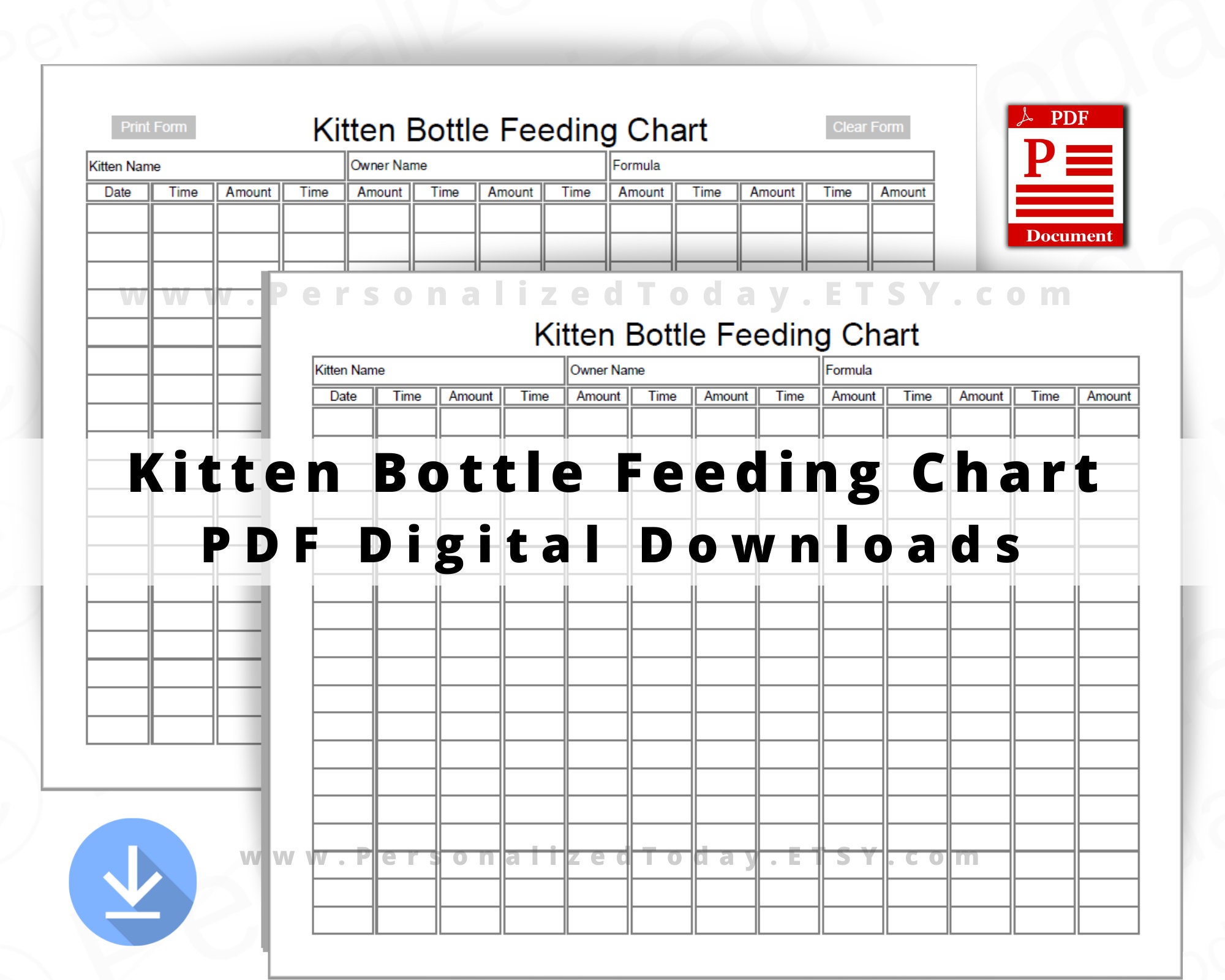
Printable Kitten Feeding Chart - Web kitten feeding chart & schedule. Foster caregivers must only use the provided, approved, kitten formula. Web neonatal kitten feeding chart & tracking sheet. In this comprehensive guide, we show you how much to feed a kitten depending on their age and weight. This includes condensed/evaporated canned cow’s milk. Reference this chart for guidance as your kitten grows: Fill out and download as pdf or word document. Easily track your kitten's feeding schedule. Web kitten feeding schedule & growth chart. Web most commercial kitten milk replacers in the us provide less than 1 kcal/ml (0.74 kcal/ml), acting to increase the volume of milk required to meet caloric needs.
Printable Kitten Feeding Chart

Printable Kitten Weight Chart
:max_bytes(150000):strip_icc()/kitten-feeding-schedule-4169428-v2-c43659807c3342f2a5b8717a36e96789.png)
Printable Kitten Feeding Chart
Printable Kitten Feeding Chart

Printable Kitten Feeding Chart
Printable Kitten Feeding Chart

A Comprehensive Guide To Neonatal Kitten Feeding Chart

Printable Kitten Feeding Chart
Printable Kitten Feeding Chart Customize and Print
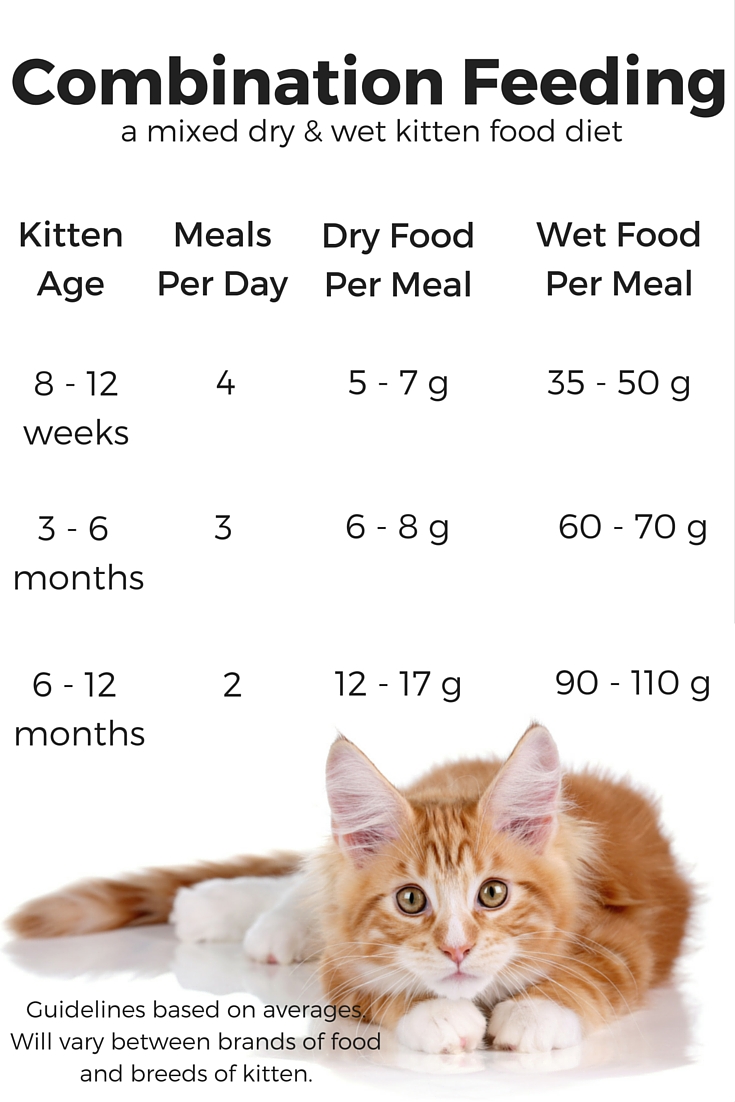
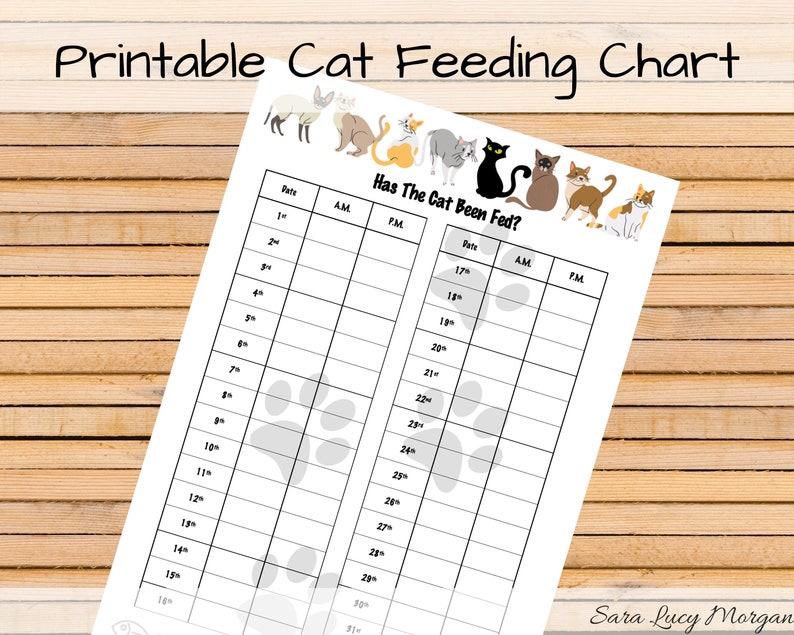
Feeding Your Kitten Helpful Kitten Feeding Schedules and Charts
Anyone Can Learn To Bottle Feed, But There Are Some Tips You'll Want To Have In Order To Do So Safely.
How often should kittens eat? • eating up to six small meals each day is recommended. We will look at the differences between dry kitten food, wet kitten food and combination feeding. Avoid “homemade” formulas (only use in an emergency, over a very short term until a quality kitten milk replacer can be obtained).
Web Kitten Feeding Chart & Schedule.
Web neonatal kitten feeding chart & tracking sheet. When do kittens start eating? To figure out how much food your kitten needs to assume, take the first two digits of the felines weight and divide by 2. How much raw food to feed your adult cat.
How Much Raw Food To Feed Your Kitten.
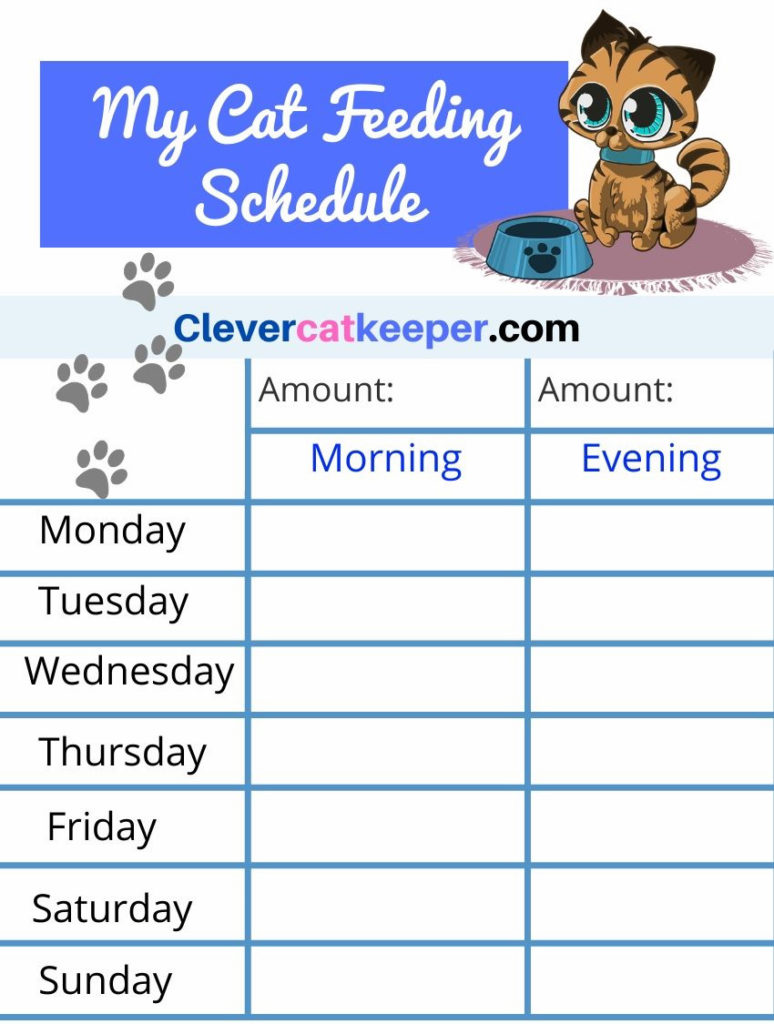
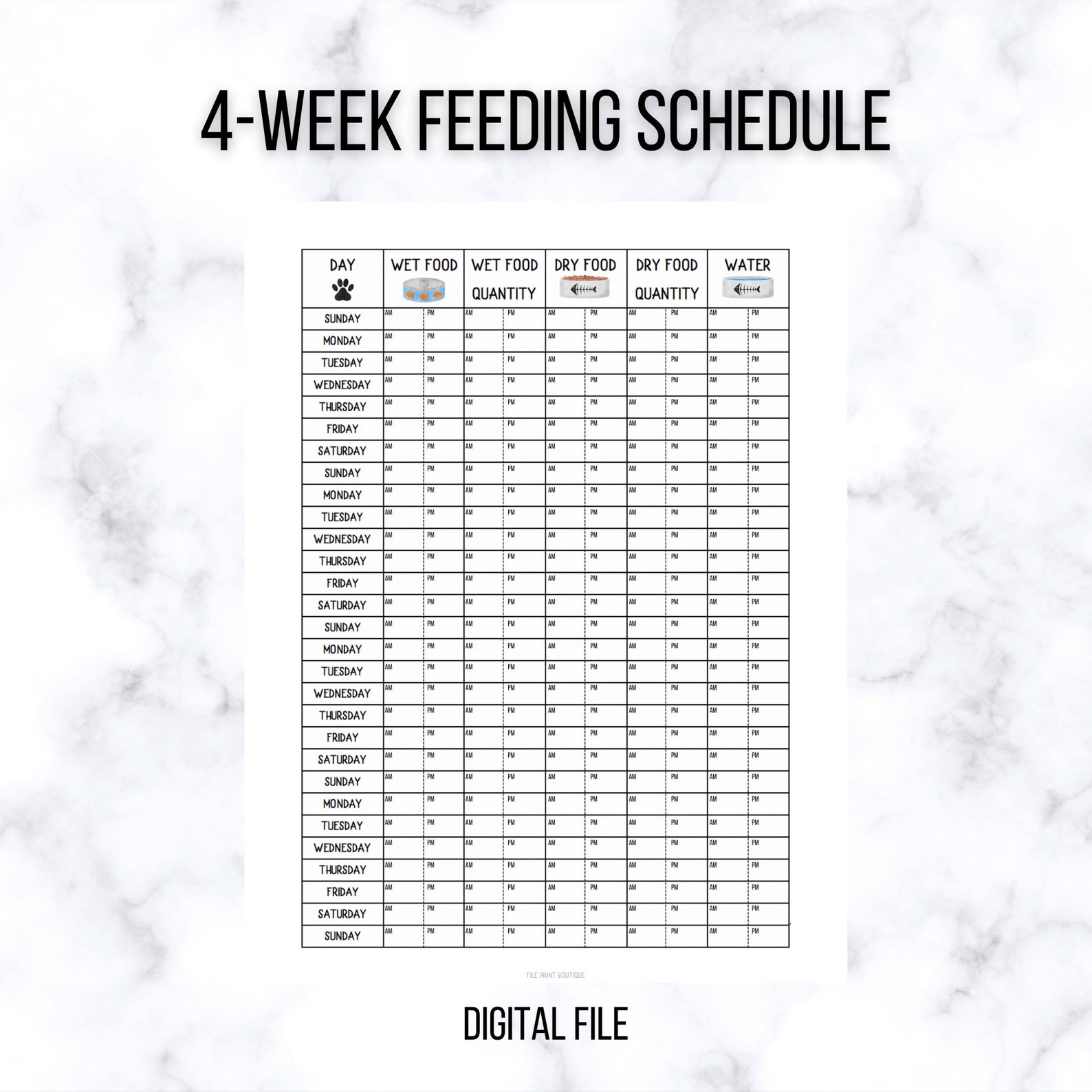
Web kitten feeding guidelines • feedings should be tailored to each specific kitten according to weight, age and overall physical condition. Web the suggested kitten feeding schedule is: Kittens, like adult cats, are very sensitive to the form, odor, taste, texture and temperature of foods. Follow this feeding schedule using a commercial kitten milk replacer for kittens at each age.
Kittens Have Special Feeding Needs Different From Cats.
Together with kitten feeding schedules, quantities and even a. Do not use cow milk. Web kitten feeding schedule & growth chart. Web most commercial kitten milk replacers in the us provide less than 1 kcal/ml (0.74 kcal/ml), acting to increase the volume of milk required to meet caloric needs.