Blooms Taxonomy Printable
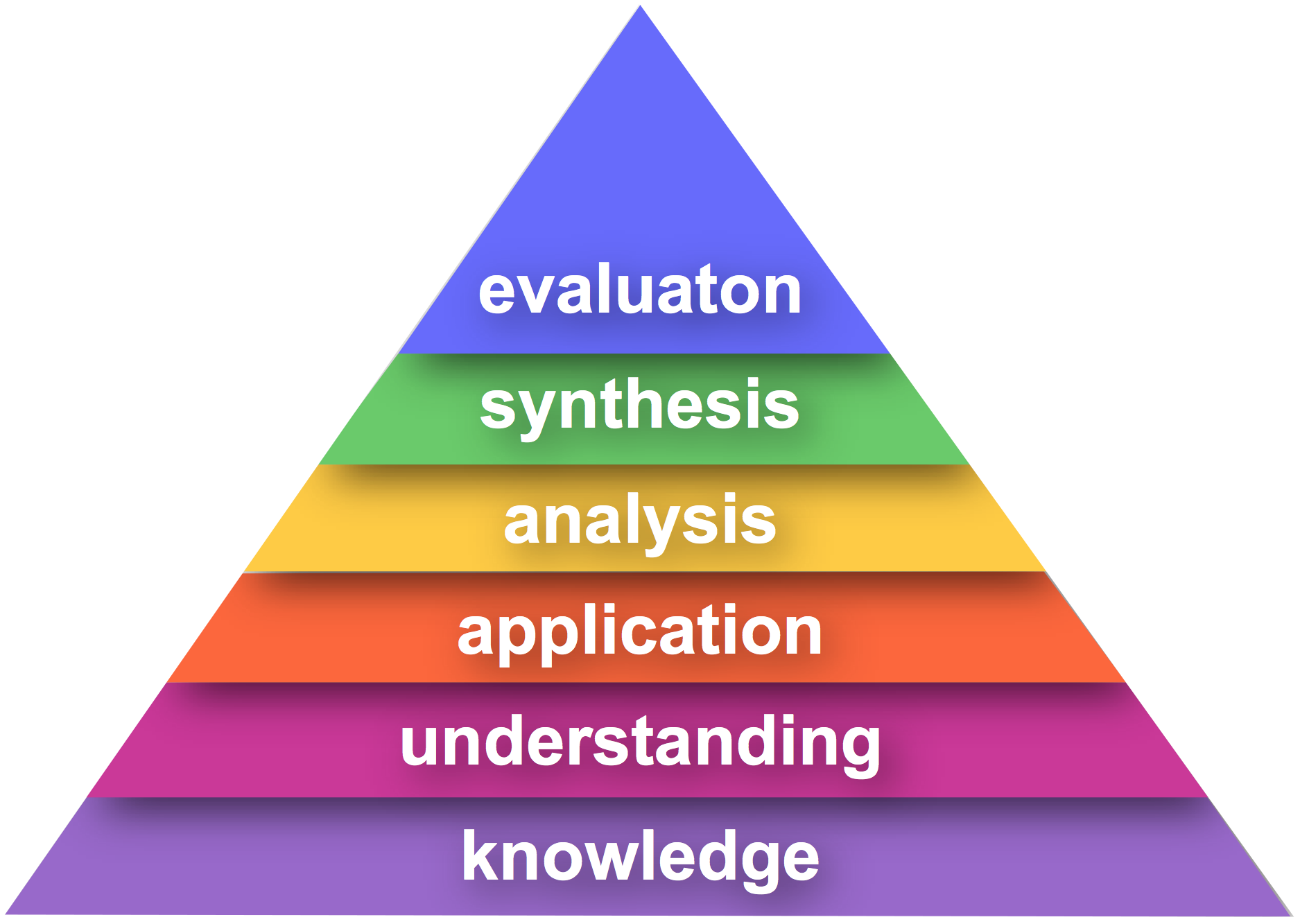
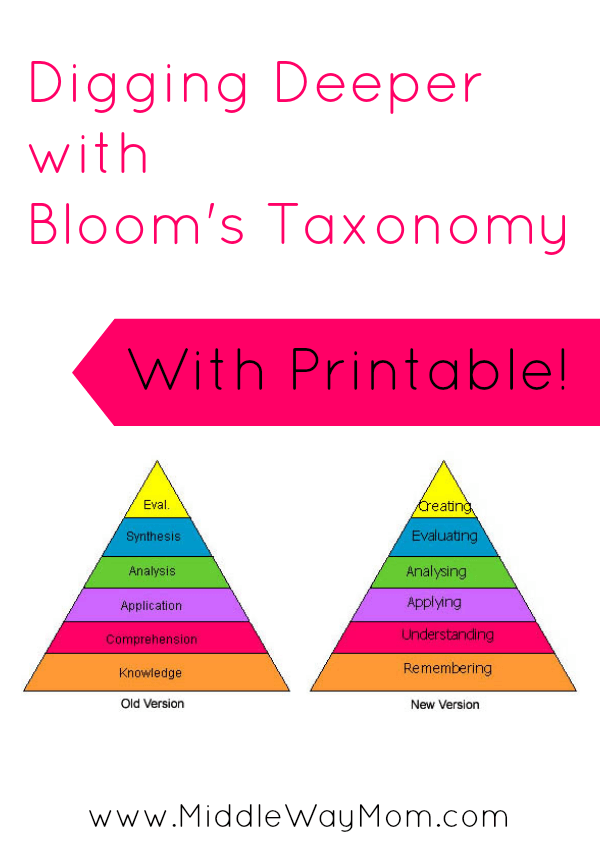
Blooms Taxonomy Printable - Students can use this learning tool to develop questioning strategies for each of the six (recently updated) levels. Prepare a flow chart to illustrate the sequence of events. The theory is based upon the. Solve problems to new situations by applying acquired knowledge, facts, techniques and rules in a different way. Major categories in the cognitive domain of the taxonomy of educational objectives (bloom, 1956) descriptions of the major categories in the cognitive domain. Bloom’s taxonomy is a hierarchical classification of cognitive levels ranging from lower to higher order thinking, which provides a valuable framework for test development.the. Construct a model to demonstrate how it will work. Bloom’s taxonomy is a hierarchical model that outlines six categories of learning and application skills that progress from less to more complex. Make a diorama to illustrate an important event. The two graphics show the revised and original taxonomy.
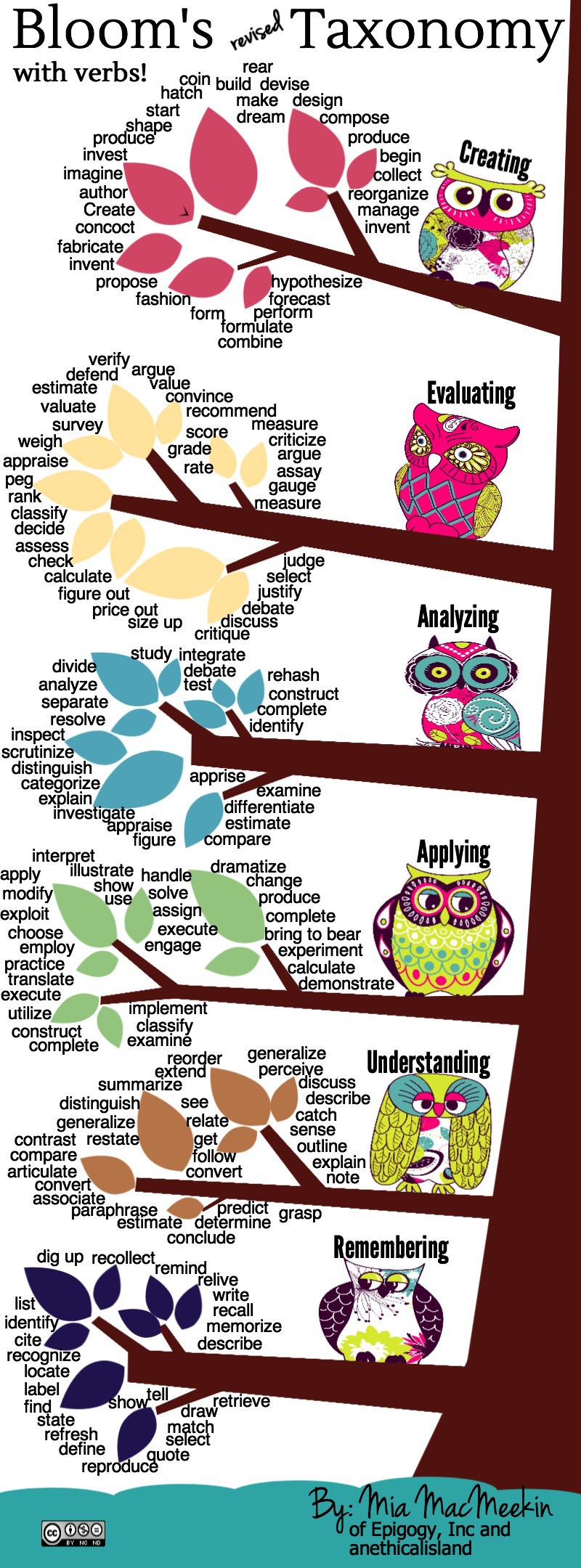
Bloom's Revised Taxonomy Action Verbs infographic eLearning Infographics
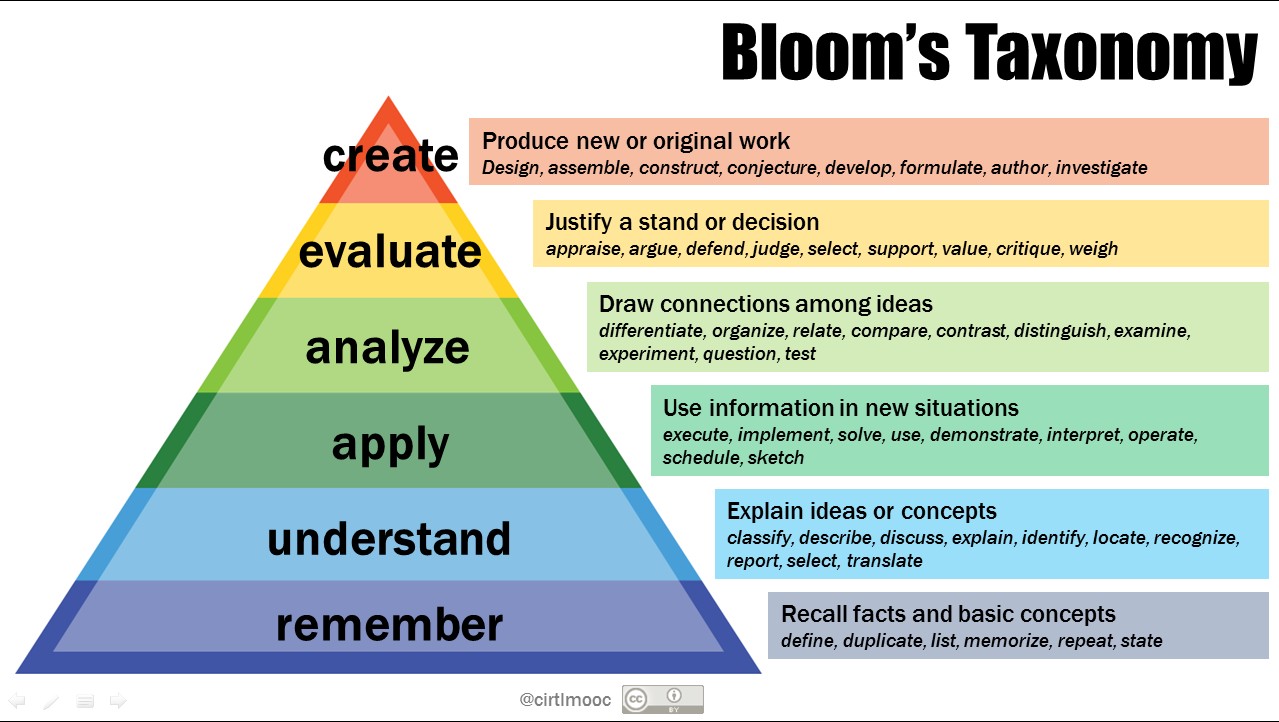
Bloom’s Taxonomy Center for Teaching Vanderbilt University

Bloom's Taxonomy Verbs Free Classroom Chart
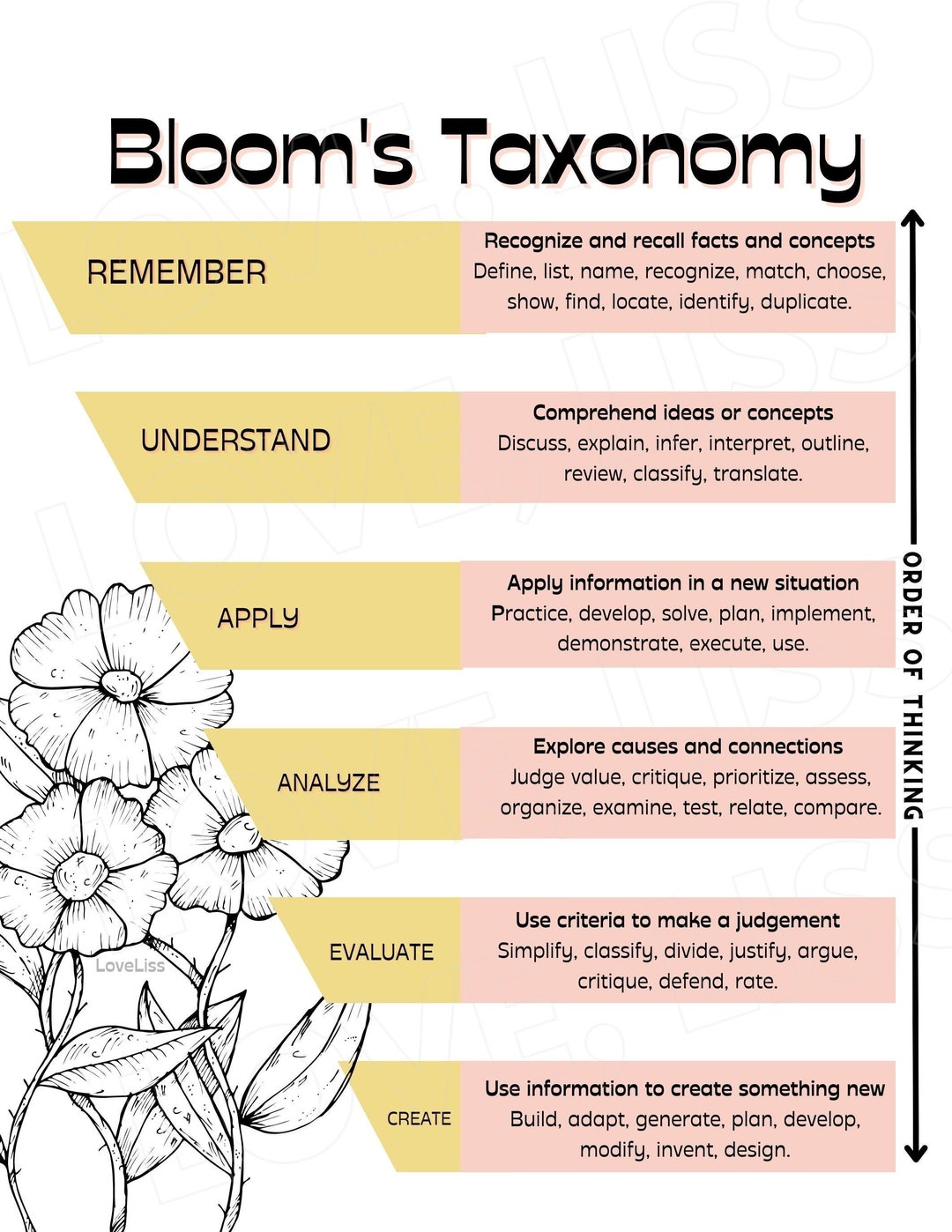
Bloom's Taxonomy Printable Reference Etsy
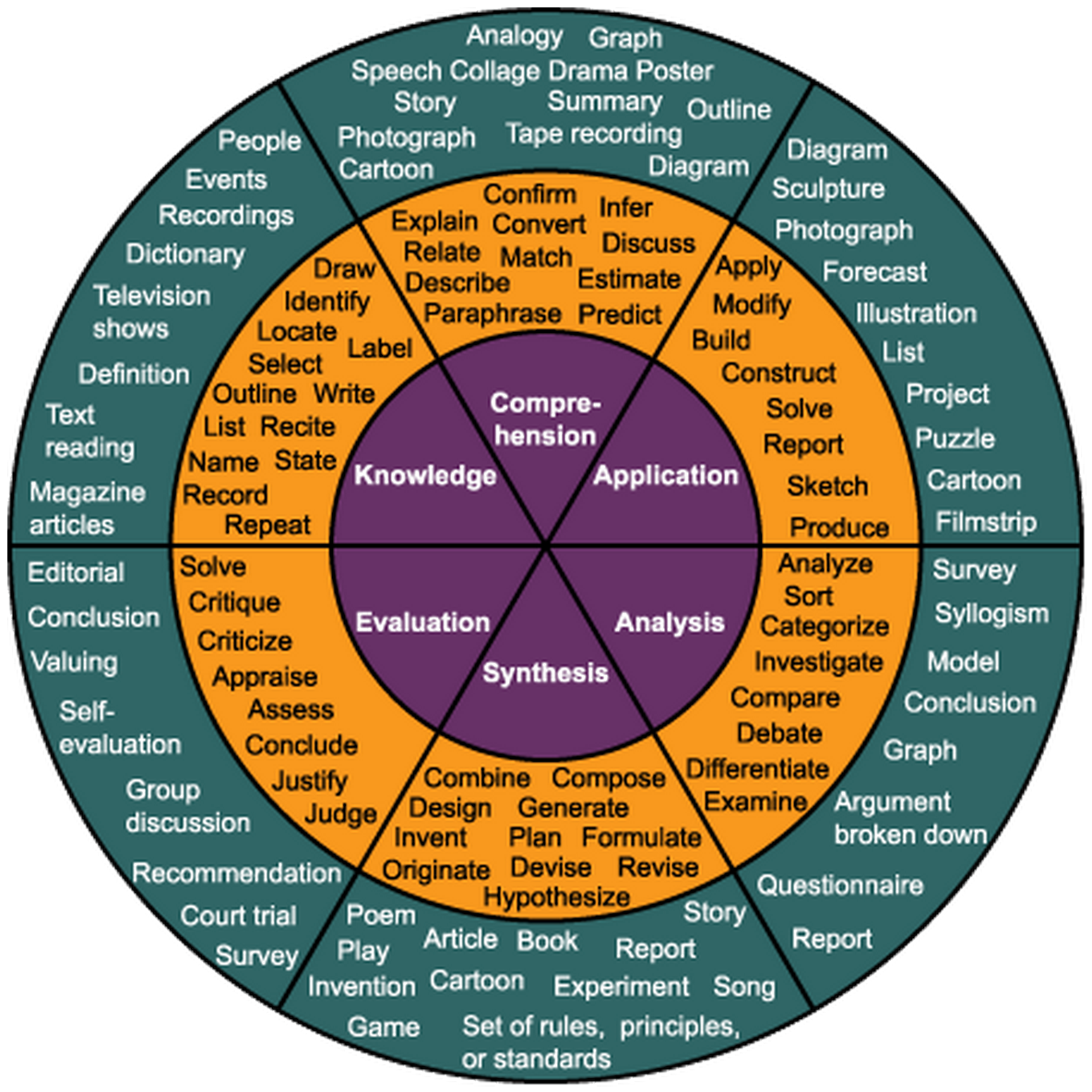
8 Wonderful Blooms Taxonomy Posters for Teachers Educational

Free Printable Bloom S Taxonomy Printable Word Searches
Bloom's Taxonomy Levels of Learning The Complete Post

Bloom's Taxonomy Printable Posters Editable in Canva Etsy Canada
Digging Deeper with Bloom’s Taxonomy With Printable!
Printable Bloom's Taxonomy
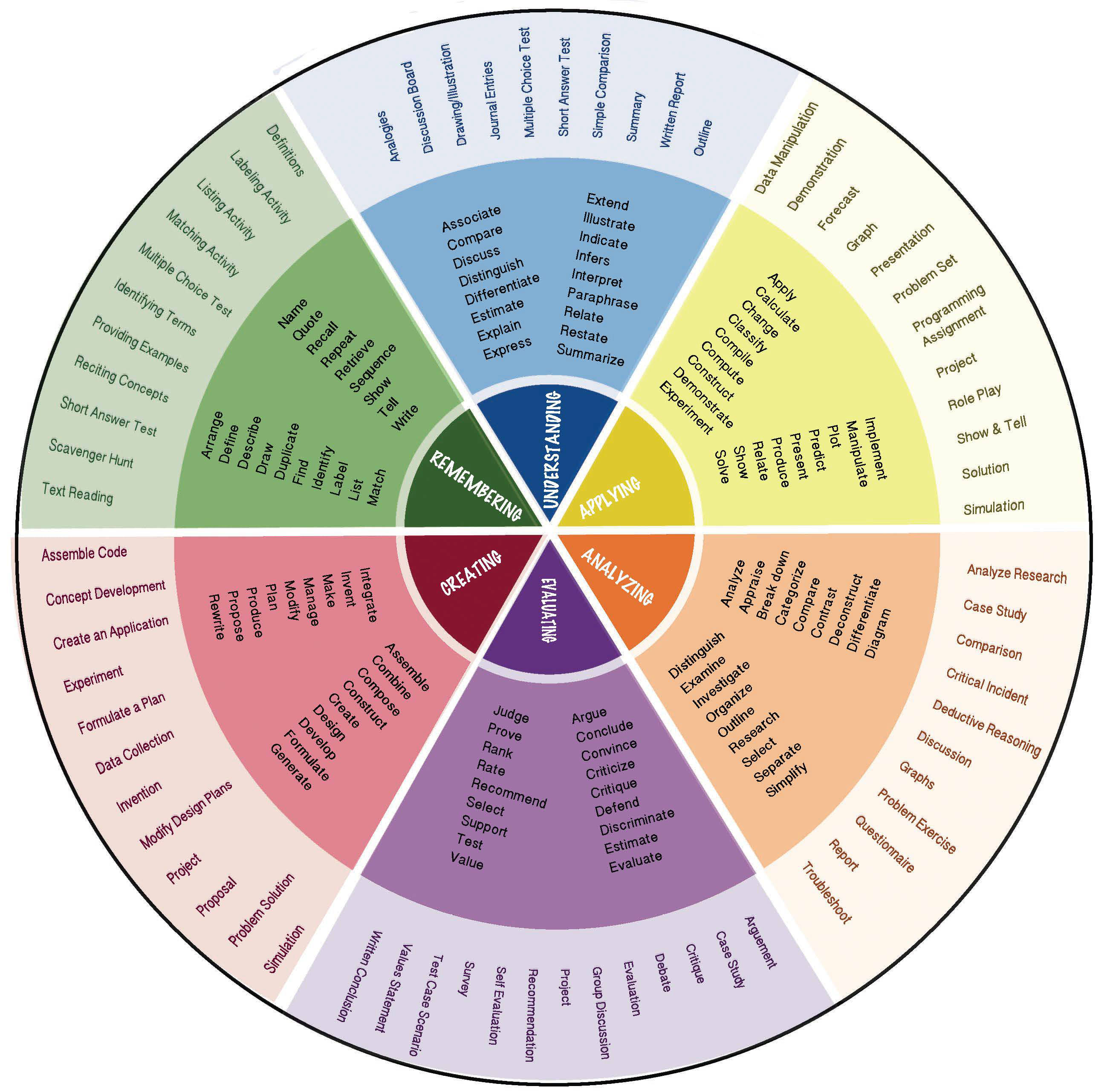
In This Printable, You Get:
Bloom’s taxonomy is a hierarchical classification of cognitive levels ranging from lower to higher order thinking, which provides a valuable framework for test development.the. The theory is based upon the. The graph demonstrates the six aspects of learning, remembering, The old and new bloom's taxonomy pyramid, a chart that explains different levels of bloom's taxonomy, and a practice worksheet.
Updated The Taxonomy To Reflect Relevance To 21St Century Work.
The theory is based upon the. The revised taxonomy has altered categories and now includes verbs associated with each of the six aspects of cognition. Students can use this learning tool to develop questioning strategies for each of the six (recently updated) levels. Benjamin bloom and colleagues (1956) created the original taxonomy of the cognitive domain for categorizing level of abstraction of questions that commonly occur in educational settings.
Can You Write In Your Own Words.?
The two graphics show the revised and original taxonomy. Guide to the revised bloom’s taxonomy *contents of this list compiled from the work of: What do you think could have happened next.? Bloom’s taxonomy is a hierarchical model that outlines six categories of learning and application skills that progress from less to more complex.
Construct A Model To Demonstrate How It Will Work.
Can you write a brief outline.? Bloom’s taxonomy can be useful for course design because the different levels can help you move students through the process of learning—from the most fundamental remembering and. Benjamin bloom created a taxonomy of measurable verbs to help us describe and classify observable knowledge, skills, attitudes, behaviors and abilities. Prepare a flow chart to illustrate the sequence of events.